
In memory of Jim Thompson 1933-2025
Previous Chair, Member and Town Guide who gave so much to the society and its aims.
***This Page is still in development
Our Story
The origins of the Cirencester Civic Society was formed in 1966 when a conversation between MP Nicholas Ridley, Lord Bathurst, and local residents William Croome and Desmond Fitzgerald discussed how best to to stimulate public interest in caring for the beauty, character and history of Cirencester.
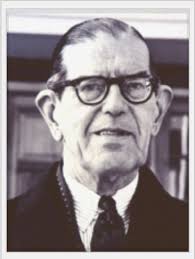
Following an open meeting in the Corn Hall in September 1966, it was decided there was enough interest and concern about development within the town to form the Cirencester Civic Society. The first meeting was held in November when William Croome CBE was elected its first Chair. He was an archaeologist and a man of strong faith who devoted much of his time and expertise to the care and conservation of ecclesiastical buildings. Its original aim was to
“wage war against bad planning and preserve what is good”
The first AGM was held in January 1967 with the adoption of a constitution, charitable status, election of officers and identification of initial aims to educate, inform, preserve and protect – not unlike today.
Our Logo
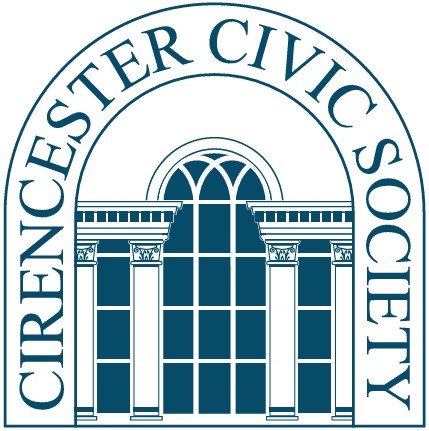
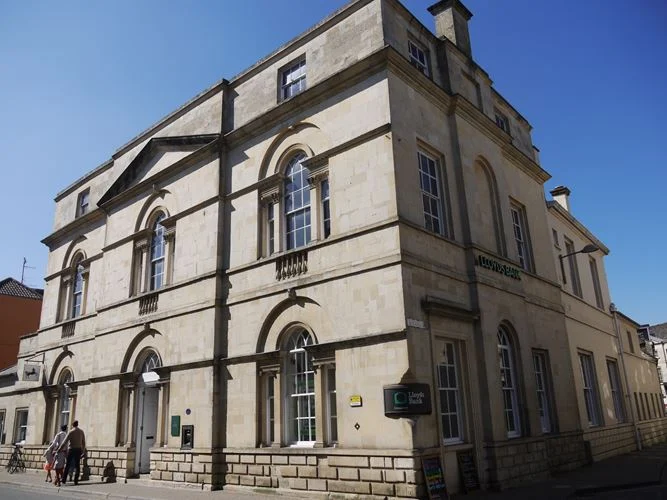
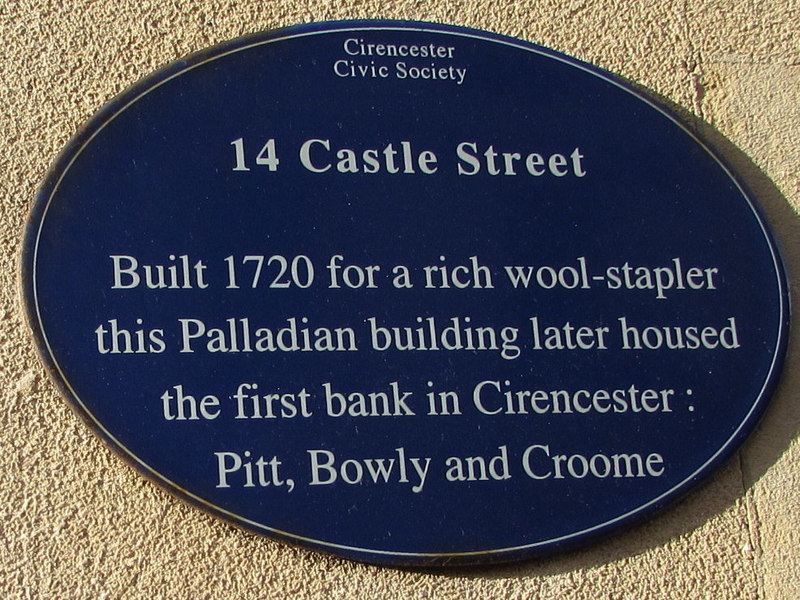
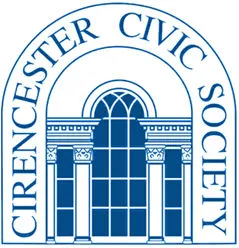
A logo was adopted, as shown, using the Palladium styled windows of the now Lloyds bank on Castle Street. The building was the site of the first bank in the town, then known as Pitt, Bowly and Croome.
Built during the early 18th century and the former home of a wool merchant, the buildings Georgian windows are typified by the use of symmetry and classical elements such as Corinthian columns. These windows have a classic style known for their distinctive multi-paned grid effect created by astragal bars holding smaller glass panes within a larger frame. They originated in the Georgian period as a solution to the limitations of 18th-century glass technology, which couldn’t produce large sheets of glass. In 1790 the building became the home of Pitt, Bowly and Croome, later becoming the Gloucester County and City Bank in 1836 then in 1897, as today, Lloyds. A Civic Society blue plaque commemorates the rich history of the building.