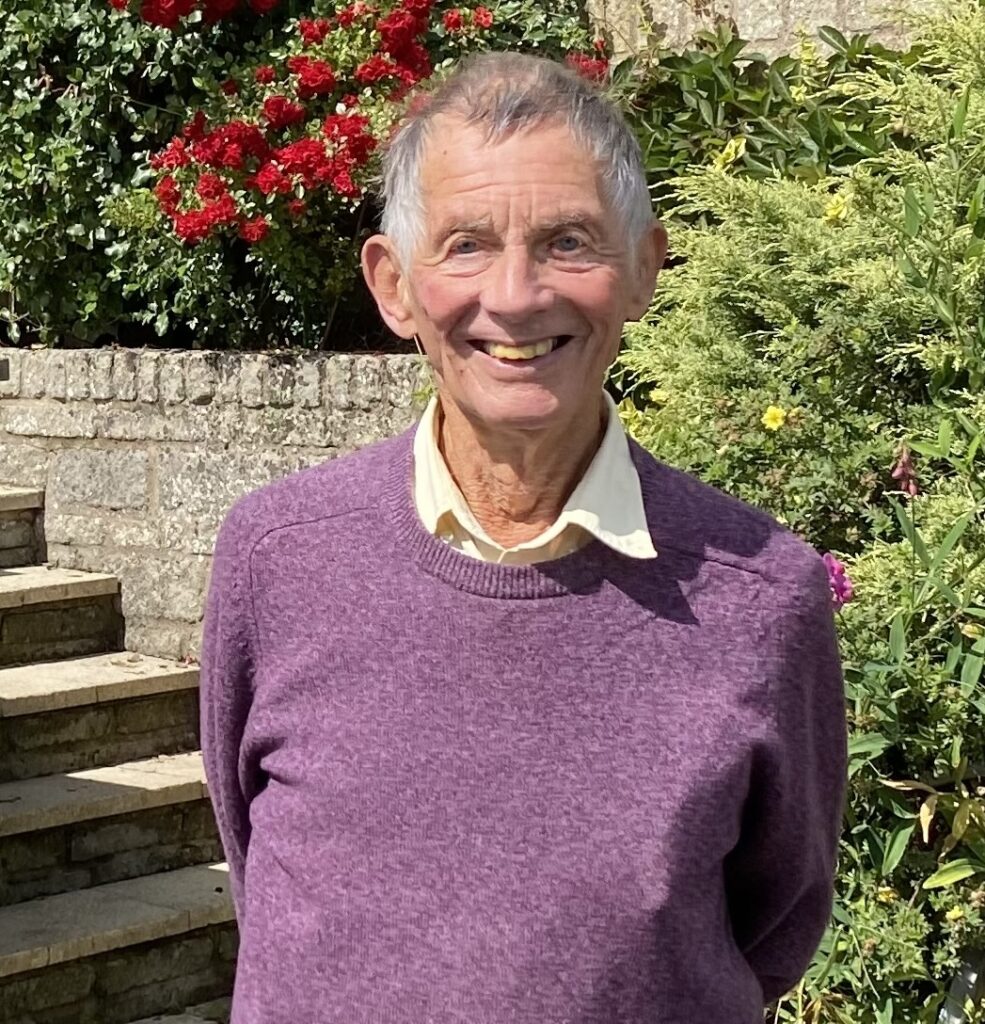
In memory of Jim Thompson 1933-2025 – previous chair, member and Town Guide who gave so much to the society and its aims.
The 1960s was a time of enormous change and development in Cirencester. As with many towns the railway had closed, both the Abbey House in the Abbey Grounds and the Old Picture House on London Rd were demolished, alongside huge areas of clearance on Dyer Street and Watermoor Rd.


Observing all this provoked a conversation between local MP Nicholas Ridley, Lord Bathurst, and residents William Croome and Desmond Fitzgerald who discussed how best to protect the town in light of all this change and stimulate public interest in caring for its beauty, character and history.
They agreed to call for a public meeting, held in the Corn Hall on September 28th 1966, when it was decided there was enough interest and concern about development within the town to form the Cirencester Civic Society.
Civic Societies were not a new concept and had evolved from the industrialisation of the mid 19th century when the expansion of housing, often of very poor quality, had removed green spaces and created ill health from the subsequent overcrowding and poor sanitation. Victorian reformers empowered and supported local activity which campaigned to demand better housing, the protection of amenity spaces and the preservation of local heritage. The first in Sidmouth in 1846 survives to this day.
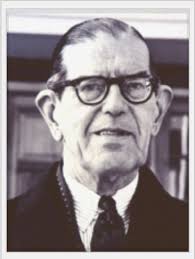
The first official meeting of the Cirencester Civic Society was held in November of 1966, when William Croome was elected its first Chair. He was an archaeologist and a man of strong faith who devoted much of his time and expertise to the care and conservation of ecclesiastical buildings.
Its original aim was to
“Wage war against bad planning and preserve what is good”
The first AGM in January 1967 adopted a constitution, charitable status, elected officers and identified the initial aims to educate, inform, preserve and protect – not unlike today.
Sadly, within the first year the society suffered the unexpected death of William Croome. To honour his memory, the inaugural Croome lecture “Town Planning and Antiquity’ was held in 1969 and remains an annual FREE town lecture open to all, usually held in the parish church.

A monthly talks and tours programme to attract new members was established followed by, in 1970, the first of our guided historic town walks that to this day still guide many through and along our historic streets.

The society concerned themselves immediately with all development within the town, including the proposed ring road and proposals to demolish sections of Gosditch St and Castle St, both successfully avoided.

Alongside this they consulted with the local planning authority on the designation of what are now the conservation areas of the town, the development of the redundant Cirencester brewing site, now known as the New Brewery Arts, the Woolmarket and the Swan Yard.


By now the aim of the society had expanded:
“To encourage the preservation, development and improvement of features of general public amenity or historic interest through meetings, exhibitions, lectures and publications”
Establishment of a tree committee financially supported landscaping within the town to soften development areas and would later plant trees along the new ring road, on the perimeter of an out-of-town supermarket, in front of the police station and along Victoria Rd.


The millennium brought in the introduction of the Blue Plaque scheme, placed on the walls of buildings that had a close association with a notable local or were of historic importance. These supported the pink plaques which were placed on buildings and areas associated with the town’s Roman heritage. Over the years these have included the creator of the smallpox vaccine Edward Jenner, the suffragette Grace Hadow and the drummer Cozy Powell, born and raised in the town, an event that drew crowds to the Corn Hall to watch the unveiling by his long term friend Brian May.


Vigilance continued into the new century with a successful campaign to stop the medieval Norman Arch from being sold in 2006, and the establishment, after 300 years, of a Town Crier for the town.


A grants scheme was established to support local community projects, and over the years this has contributed towards new street lamps in Coxwell Street, renovation of the church passage to the cemetery, restoration of walls and historic gateways and in 2021, Project Blackjack, that replaced two missing statues from the tower of the parish church.


As part of the £2.8 million renovation of the Brewery Arts building, the Civic Society commissioned ‘A Celebration of Hands’ a carving created by local artist Rory Young now proudly sitting on the exterior wall. The design represents the local craftworkers of the town, unified with a piece of tied cloth depicting our historical connection with the woollen industry. It was unveiled in April 2008 by Dame Fiona Reynolds.

More recent iniatives include the first design award to the renovation of a large historic house on Dollar St, establishment of a conservation award, which includes green heritage, and the organising of the annual heritage open weekend in September, which allows members of the public to visit for free many private areas or buildings not normally open or accessible.
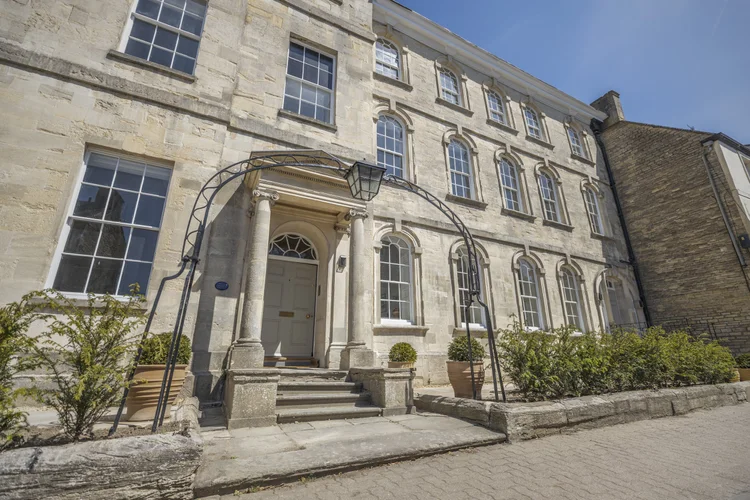

As we celebrate 60 years the society continues to promote the town, shape its future and protect its heritage from the considerable pressures of new housing and further growth. We do this through consultations on new planning strategies such as the proposed Neighbourhood Plan or the Local Plan review, whilst reviewing all town planning applications. With proposed changes to the structure of local governance, including its planning authority, the role of a Cirencester Civic Society remains as vital as ever, to ensure growth and change is appropriate, necessary and of the quality the town deserves.


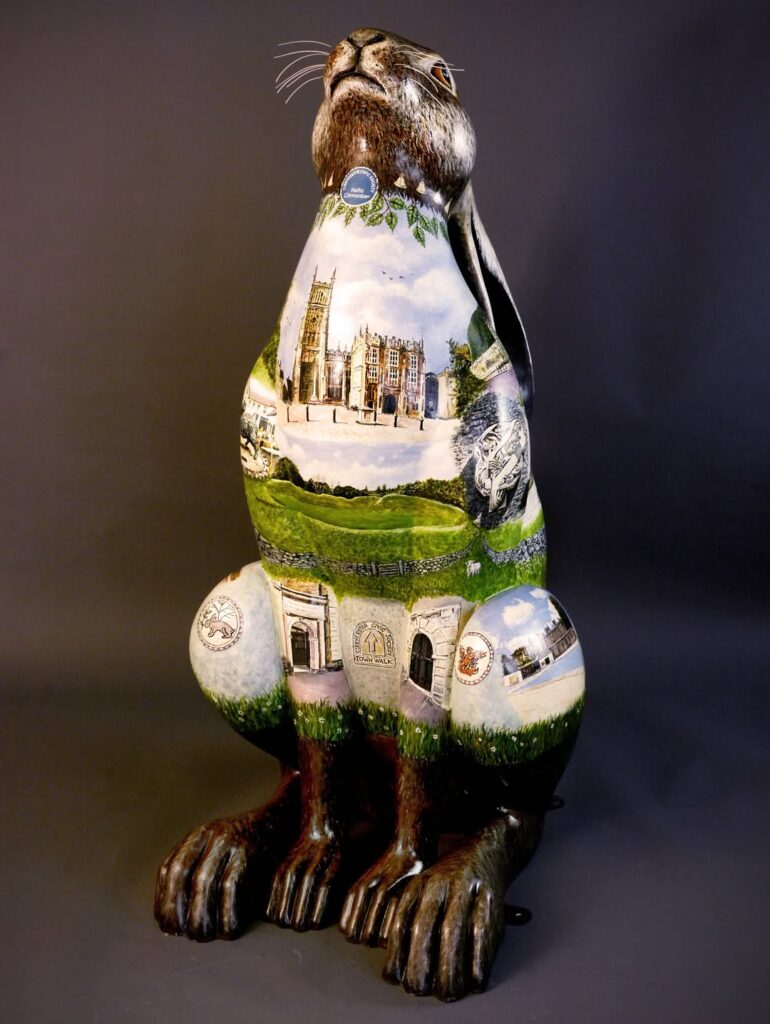
In 2025 the society added a new hare to the town’s public street art. Designed by local artist Mike Smith, the hare showcases the heritage of our town and has been named Horace by our members. As residents and visitors walk the town’s streets in the footsteps of those who came before, Horace represents a symbol of the past within the present, gazing at the future.

As we arrive in 2026 the original aims of the society remain, embedded in the principles of the early civic reformers to challenge the bad, protect the good and demand better for the future. With thanks to the many volunteers who gave their time to the society over the years and achieved so much.
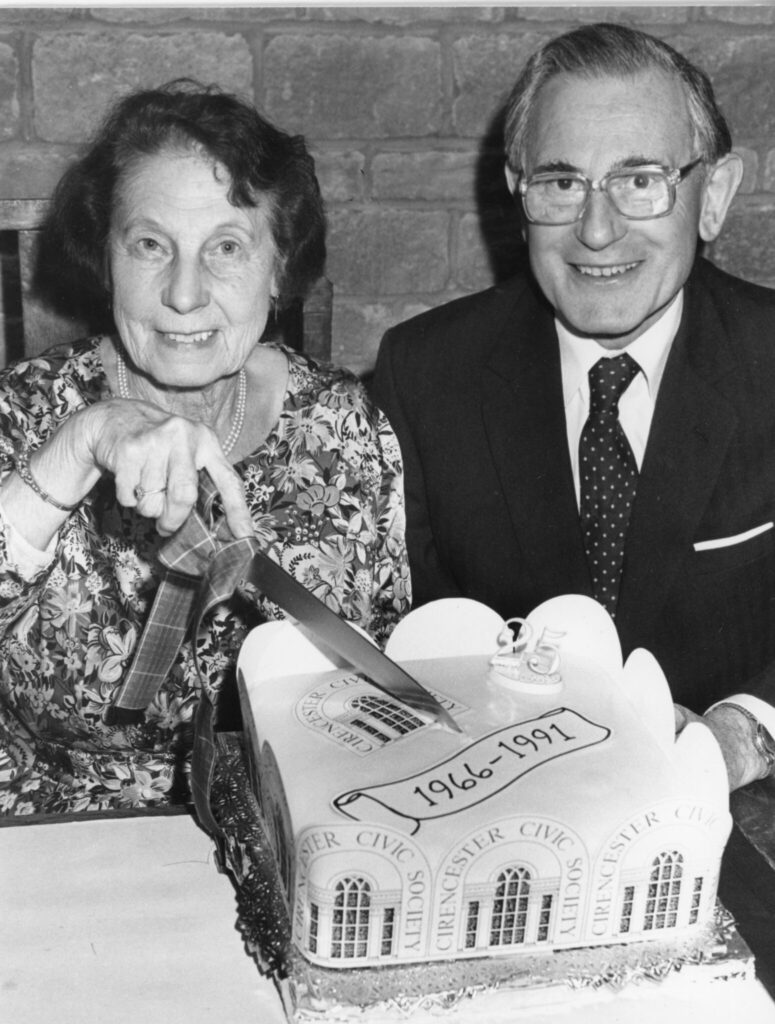
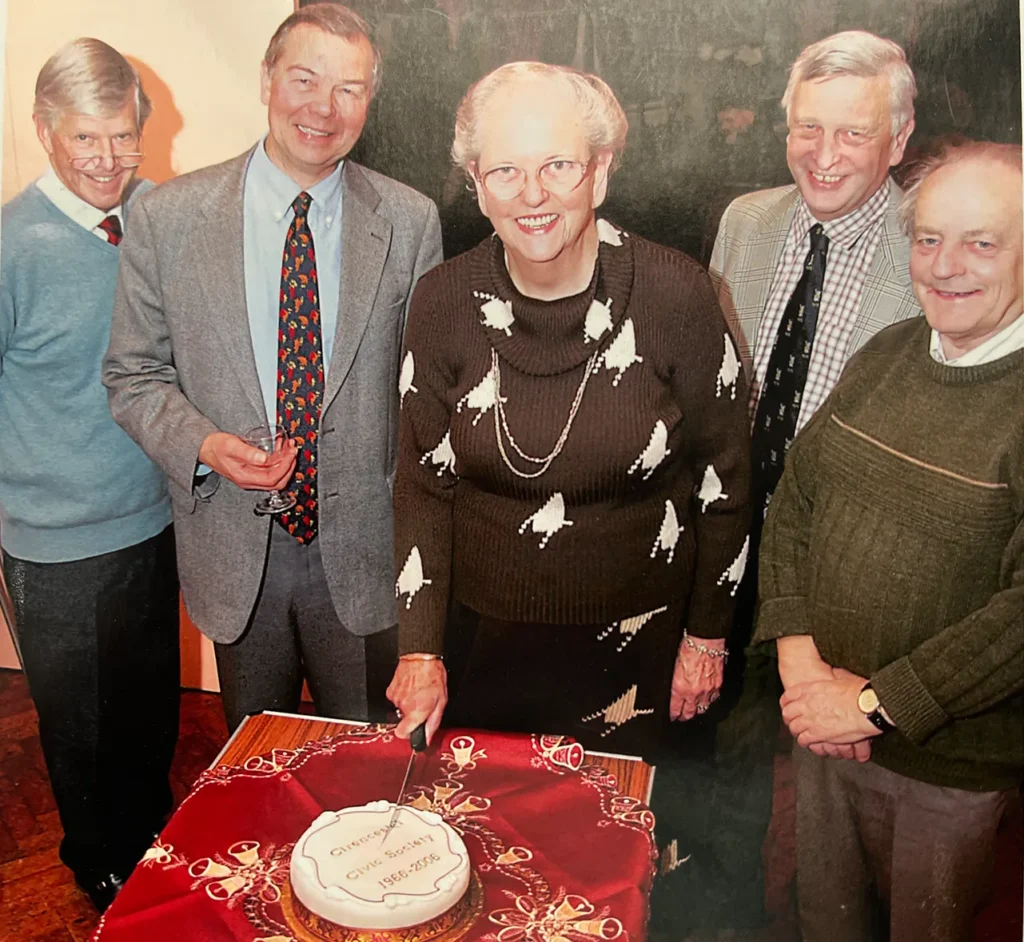
Celebrating 25 and 50 years
Chairs
The society has been fortunate to attract many notable individuals to chair the society over the years.
The rollcall includes our first, Mr William Croome, who sadly died shortly after being elected, and those that followed have brought professional backgrounds, time and expertise to a society run by volunteers who wish to protect the town they live in.
1966-67 Mr William Croome
1967-72 Mr Michael Ingham
1973-84 Mr Robin Wainwright
1985-87 Mrs Josephine Jacobs
1988-89 Mr Derek Waring
1990-91 No chair
1992-98 Mrs Winifrid Waites
1999-04 Mr Jim Thompson
2005-07 Mr Martin Read
2008-13 Mr Martin Portus
2014-17 Mr Geoffrey Adams
2018-22 Mr John Tiffney
2023-24 Mr William Cooper
2024- Mrs Carole Boydell
Our Logo
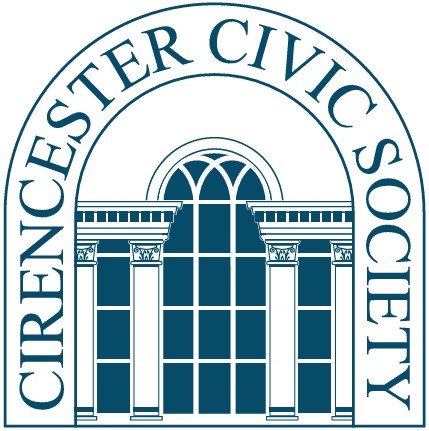
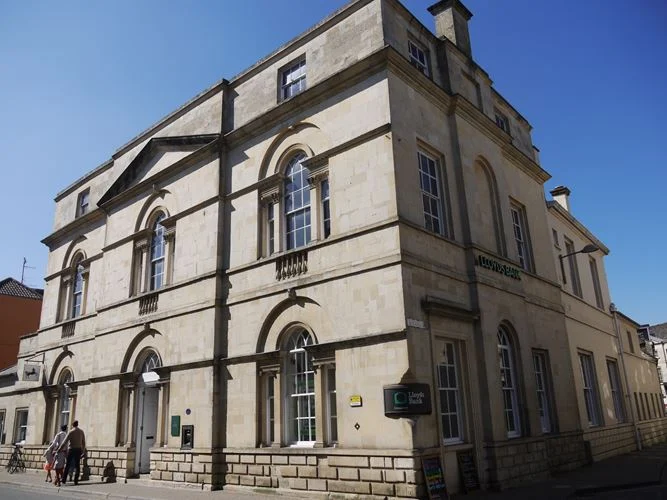
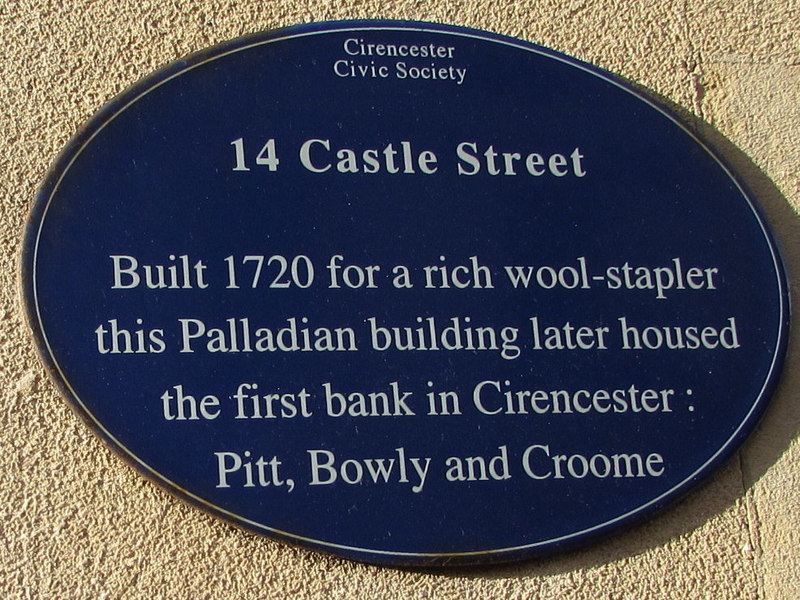
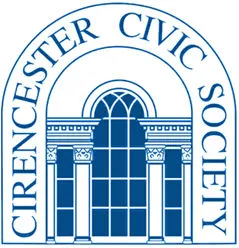
A logo was adopted, as shown, using the Palladium styled windows of the now Lloyds bank on Castle Street. The building was the site of the first bank in the town, then known as Pitt, Bowly and Croome.
Built during the early 18th century and the former home of a wool merchant, the buildings Georgian windows are typified by the use of symmetry and classical elements such as Corinthian columns. These windows have a classic style known for their distinctive multi-paned grid effect created by astragal bars holding smaller glass panes within a larger frame. They originated in the Georgian period as a solution to the limitations of 18th-century glass technology, which couldn’t produce large sheets of glass. In 1790 the building became the home of Pitt, Bowly and Croome, later becoming the Gloucester County and City Bank in 1836 then in 1897, as today, Lloyds. A Civic Society blue plaque commemorates the rich history of the building.